External industry example · Grocery · 100,000+ employees
Whole Foods Market: Animated training made 75% faster than filming in store.
Every training film meant staging a store, hiding price tags, booking actors and crews.
Not a Probbit project. Results are reported by the cited sources and have not been independently audited by Probbit.
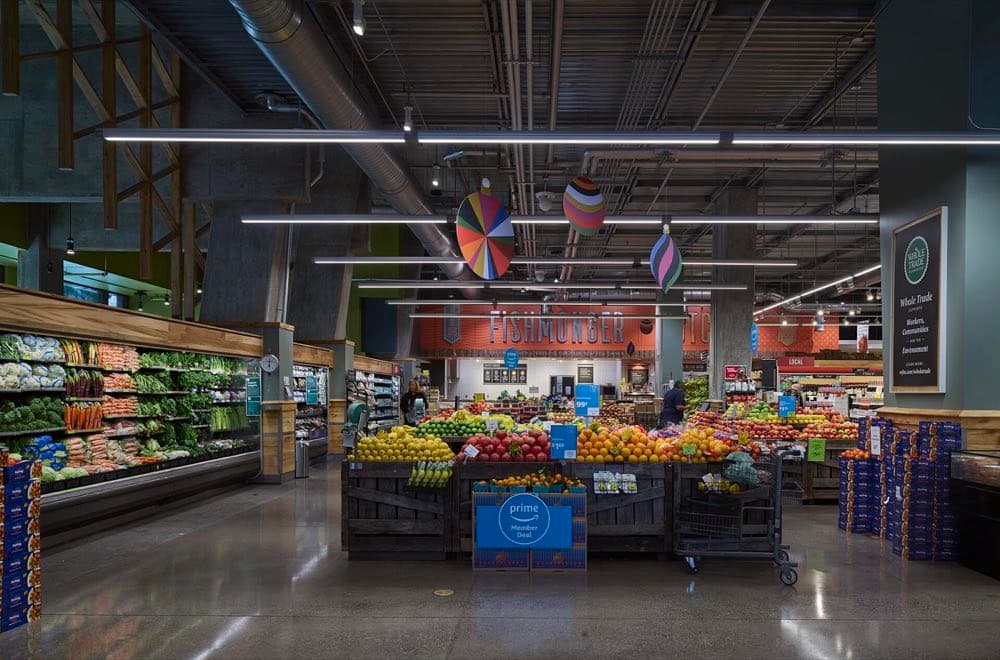
Reported by the source below. Not a Probbit project.
Whole Foods MarketAnimated training made 75% faster than filming in store.
- Challenge
- Every training film meant staging a store, hiding price tags, booking actors and crews.
- What they changed
- Animation replaced live action, with a custom character per role.
- Training approach
- Reusable scenes and shared assets; one microlearning series ran to 23 videos.
- Impact
- Three to five days became one
- More engagement than print; figures not published
Source: Vyond case study
Probbit’s production perspective
How could you apply this idea?
Animation is useful when a visual convention can explain several related topics. Define how a character, symbol or colour represents an action before commissioning a series, then reuse that convention while keeping the instruction specific to each module.
- What must the animation explain that a static slide does not?
- Which visual conventions should remain consistent across the library?
- What review and update work belongs in the production comparison?
What the result does not establish. Reported production-time comparisons depend on the original workflow and scope. They are not a delivery commitment for a new project.
Our planning suggestions are separate from the source-reported programme and results above.
Photo: Carol M. Highsmith, public domain, via Wikimedia Commons
Apply the idea to your training.
Employee onboarding video
induction that says the same thing to every joiner
More industry examples.
Build your own training programme.
Bring a priority module or your current curriculum. We’ll discuss the learning need, production approach and delivery requirements.