External industry example · Steel · 30,000+ employees
Tata Steel: Dense safety standards became multilingual visual modules.
Eighty-seven voluminous safety standards had to reach 30,000+ people by role.
Not a Probbit project. Results are reported by the cited sources and have not been independently audited by Probbit.
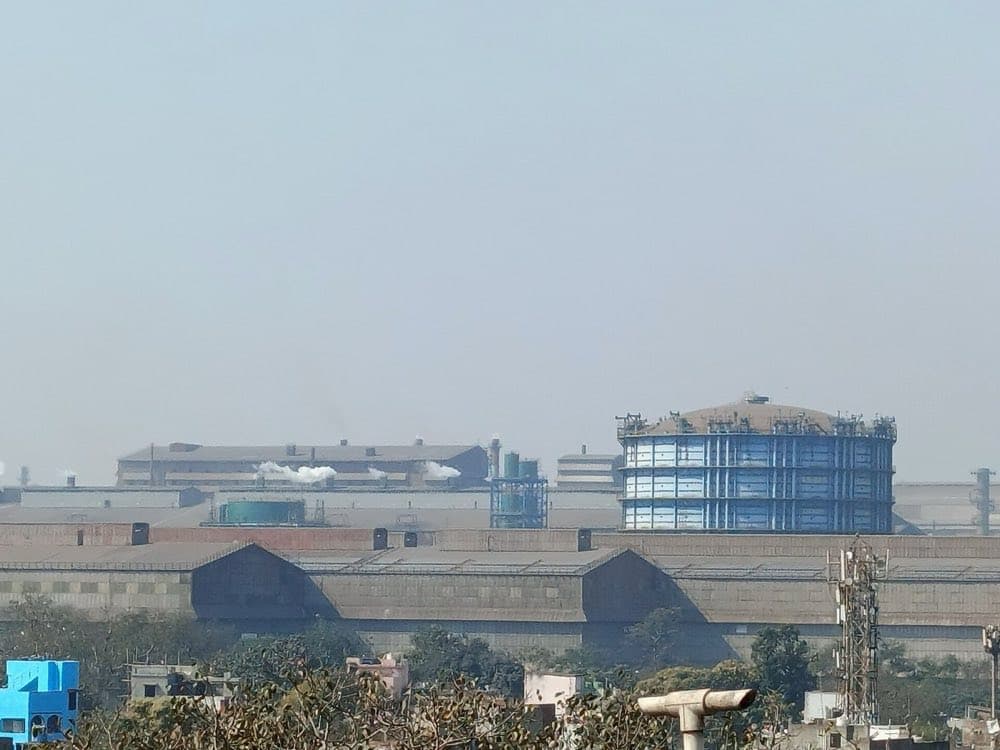
Reported by the source below. Not a Probbit project.
Tata SteelDense safety standards became multilingual visual modules.
- Challenge
- Eighty-seven voluminous safety standards had to reach 30,000+ people by role.
- What they changed
- Twenty-four standards became simplified documents and multilingual e-learning.
- Training approach
- Real-life scenarios, storytelling and gamification, in the workforce's languages.
- Impact
- 81.7% completion by July 2021, despite COVID-19
- Brandon Hall silver recognition
Source: worldsteel case study, Oct 2021
Probbit’s production perspective
How could you apply this idea?
A useful starting point is a standards-to-module register: list the source standard, the roles that need it, the task to demonstrate and the approving owner. Prioritise the documents that people must apply, then turn those requirements into scenes and decision points.
- Which standard and revision does each module teach?
- Which roles need the full sequence and which need a focused briefing?
- How will a supervisor check application after the module?
What the result does not establish. The reported completion figure concerns assigned modules at a stated point in time. Completion alone does not demonstrate competence or prove a reduction in incidents.
Our planning suggestions are separate from the source-reported programme and results above.
Photo: Kharbaan Ghaltaan, CC BY-SA 4.0, via Wikimedia Commons
Apply the idea to your training.
Safety, EHS and SOP training video
procedure shown as a sequence, with the checks between steps visible
More industry examples.
Build your own training programme.
Bring a priority module or your current curriculum. We’ll discuss the learning need, production approach and delivery requirements.